Key Elements of Trekking
Features
Adventure + Education: Trekkers learn about biodiversity, ecosystems, and local traditions.
Physical Challenge: Involves steep ascents, descents, rocky paths, and sometimes snowfields or glaciers.
Community Connection: Often passes through villages, allowing interaction with local cultures.
Duration: Usually multi-day journeys with overnight stays in camps or lodges.
Benefits of Nature Trekking
Health: Improves stamina, strength, and mental well-being.
Ecological Awareness: Encourages conservation and respect for biodiversity.
Cultural Enrichment: Provides exposure to indigenous practices and traditions.
Personal Growth: Builds resilience, teamwork, and mindfulness.
Risks & Considerations
Physical Demands: Requires fitness and preparation for altitude, weather, and terrain.
Safety: Navigation challenges, wildlife encounters, and weather unpredictability.
Environmental Impact: Must follow “Leave No Trace” principles to avoid harming ecosystems.
Logistics: Planning for food, water, shelter, and emergency support is essential.
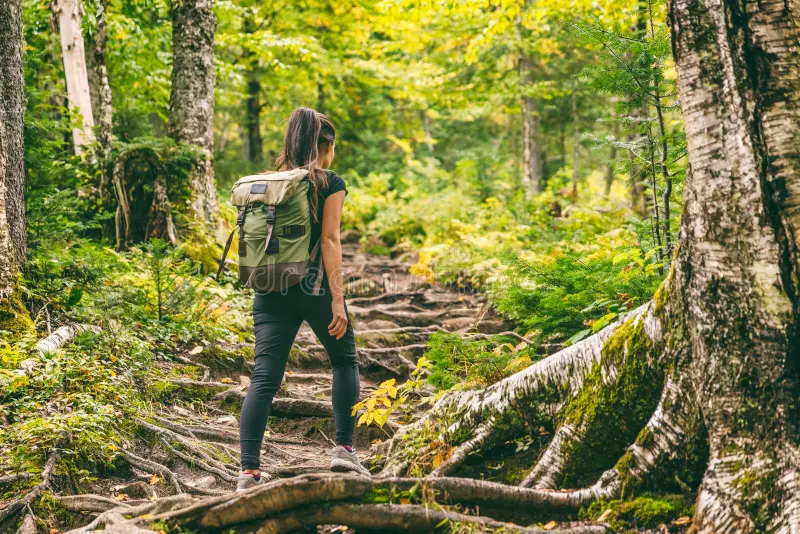
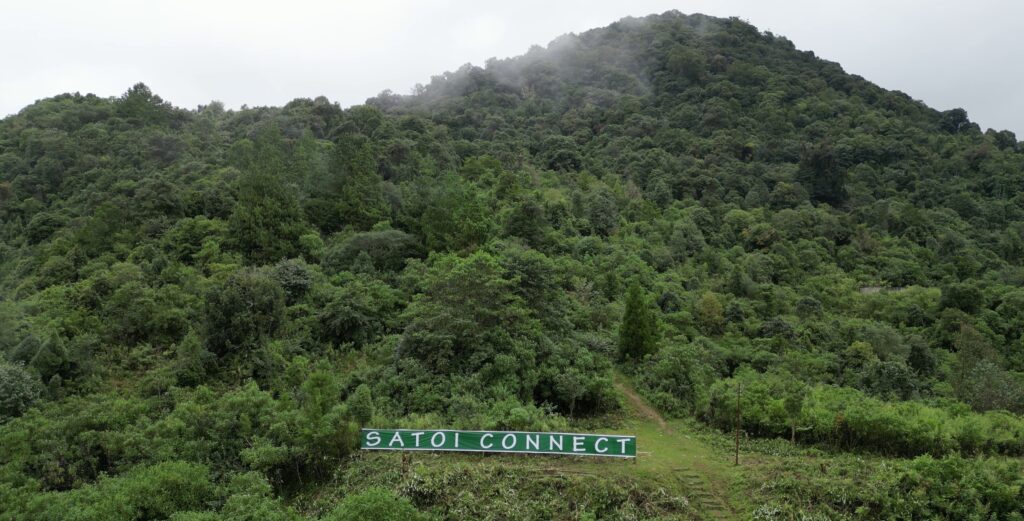
Why go anywhere else when Satoi can give you the ultimate experience, Come and Join Us to share the Experience
Community-led conservation in Nagaland, nature trekking has special relevance:
It’s not just recreation—it’s a tool for education, participatory governance, and ecotourism development.
Nagaland’s Community Conserved Areas (CCAs) and ranges like Satoi are ideal for eco-trekking initiatives.
Trekking here can blend biodiversity monitoring, cultural celebration, and youth engagement, aligning perfectly with your conservation and outreach goals.